Cardiorespiratory rehabilitation
A structured, supervised exercise and education programme designed to improve your aerobic capacity, muscle strength, breathlessness and quality of life — whether you live with a heart condition, a lung condition, or both.
Rehabilitation combines expert clinical supervision with exercise that is carefully paced and monitored for you. By treating the heart and lungs together, we help you move with more confidence, manage symptoms at home, and reduce the risk of complications or hospital admission.
What your programme involves
Exercise tolerance, strength and symptoms are measured so progress can be tracked objectively.
A tailored mix of aerobic and resistance training, progressed gradually and supervised throughout.
Practical strategies for managing breathlessness, clearing the chest and conserving energy.
Understanding your condition and building a plan you can sustain confidently at home.
Who it helps
Rehabilitation supports people living with a wide range of heart and lung conditions.
Lung conditions
COPD, bronchiectasis, pulmonary fibrosis, asthma and recovery after a chest infection.
Heart conditions
Heart failure, recovery after a cardiac event, and reducing cardiovascular risk.
Deconditioning
Reduced fitness after illness, hospitalisation or a prolonged period of inactivity.
Over a programme, most people notice improved energy and exercise tolerance, better-controlled breathlessness, and renewed confidence in everyday activities — from the garden to the shops.
How long a programme runs
Most programmes run eight to twelve weeks, with one or two supervised sessions a week and a home programme in between. That length is not arbitrary: it is roughly how long exercise takes to produce a measurable change in capacity rather than just a good day.
You start with an assessment, and the first few sessions are deliberately conservative while we learn how your oxygen levels, heart rate and breathing respond to work. From there the programme is progressed session by session. Some people continue with a maintenance programme afterwards, either here or independently; others finish with a written home programme and a review some months later.
How we measure progress
Progress is measured rather than guessed. We record where you start — commonly a walk test, a sit-to-stand count, strength measures and your own rating of breathlessness during effort — and repeat the same measures during and at the end of the programme. Seeing those numbers move is often the point at which people believe the exercise is working.
Results vary from person to person, and some conditions are progressive: for those, holding function steady is a real result rather than a disappointing one. Your physiotherapist will be clear at your assessment about what is realistic in your situation, and will revise it as you go rather than only at the end.
Where it happens
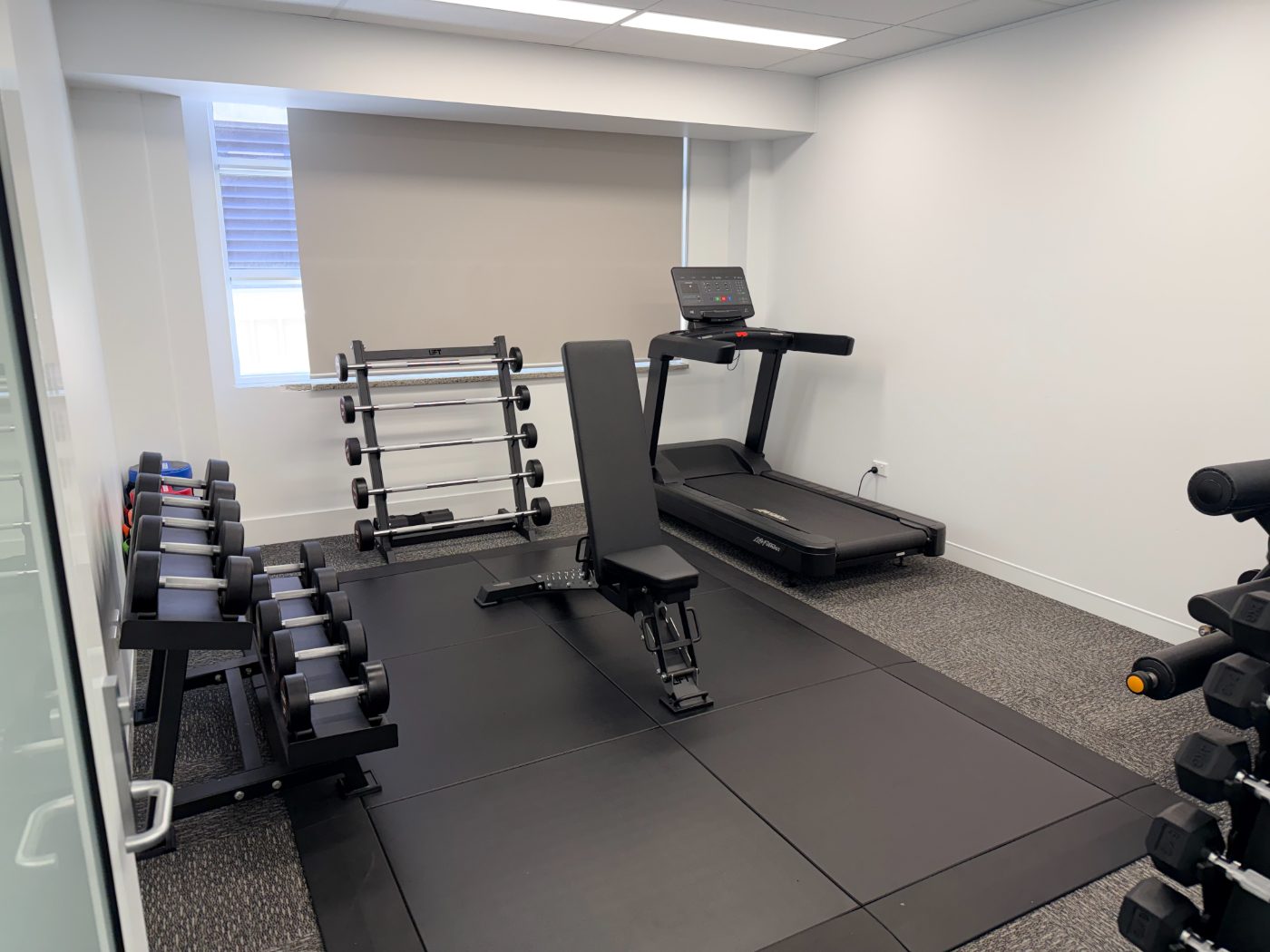
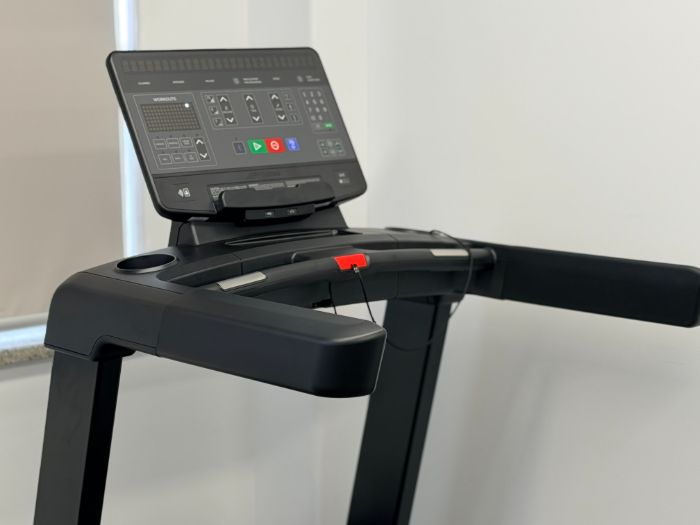
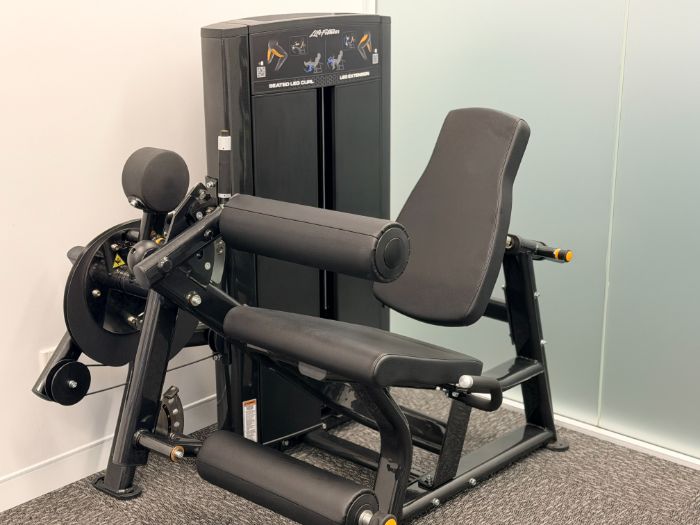
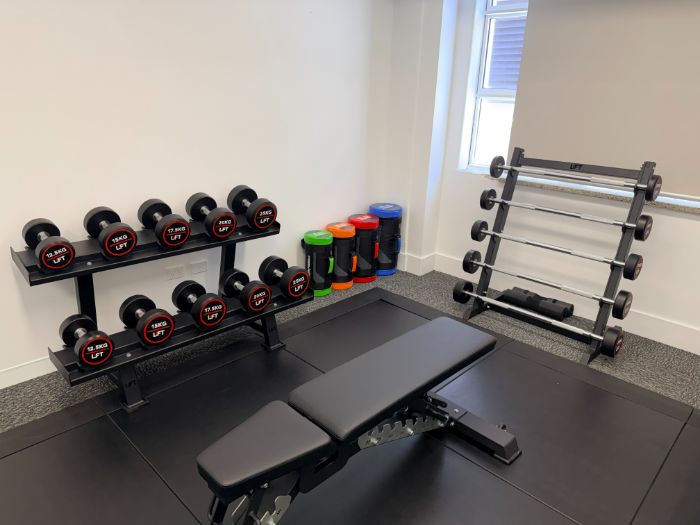
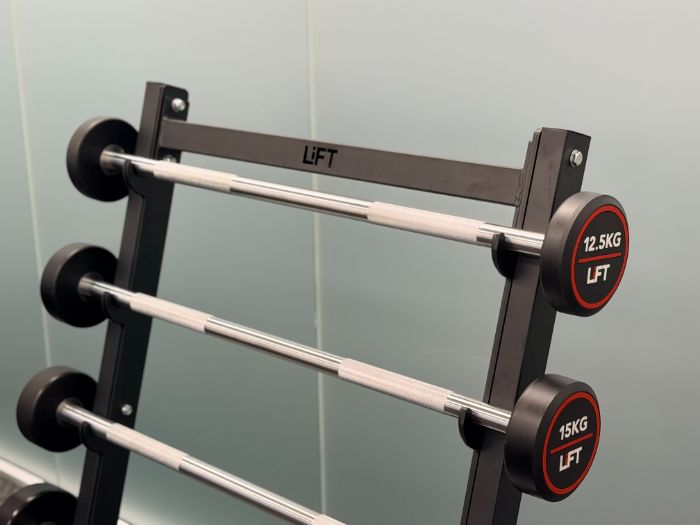
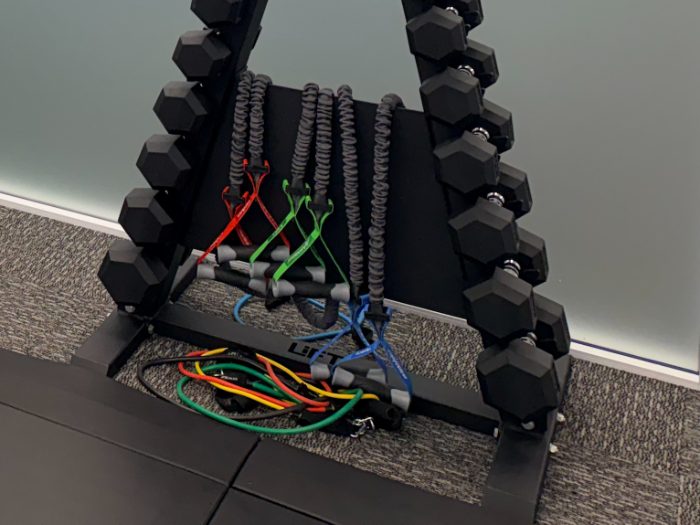
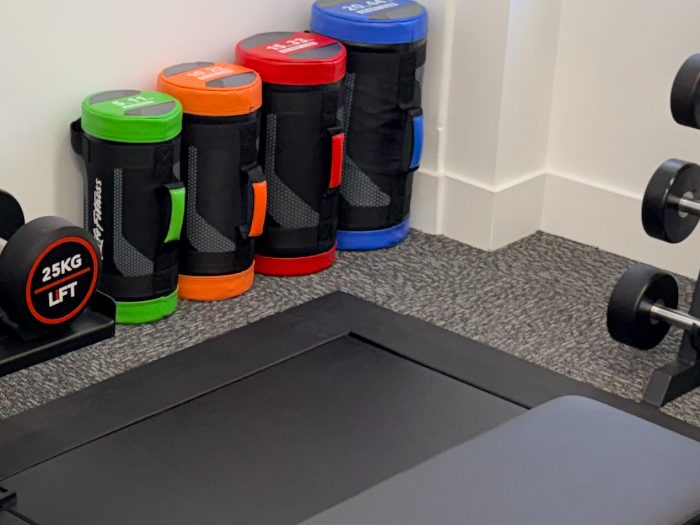
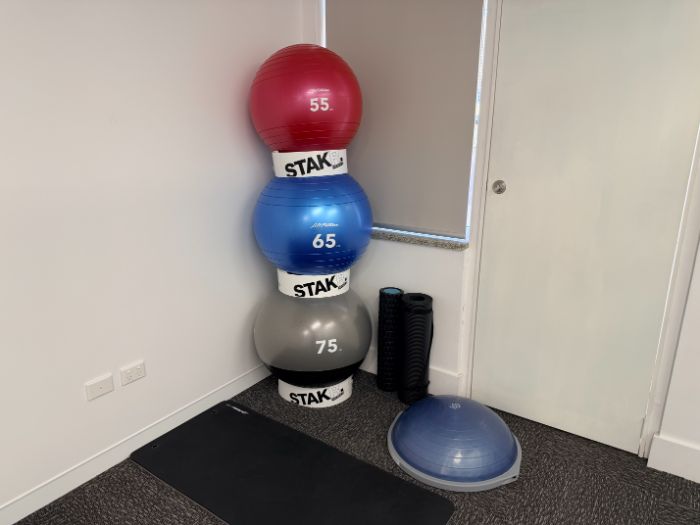
Your programme runs in the clinic's own gym — not a public one, and not shared. Oxygen saturation, heart rate and effort are watched the whole time you are moving.
Other services
Physiotherapy Assessment
A thorough cardiorespiratory assessment to build your individualised plan.
Learn MoreOxygen, NIV & Sleep Support
Optimised oxygen and non-invasive ventilation therapy, plus sleep assessment.
Learn MoreLifestyle Change Programme
Supervised exercise and practical education, aimed at building strength and everyday function.
Learn More