Ahpra registration PHY0002298174
How these guides are written and reviewed →
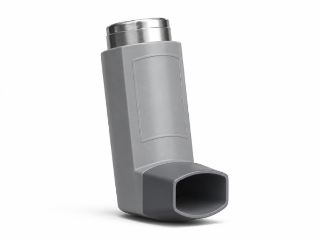
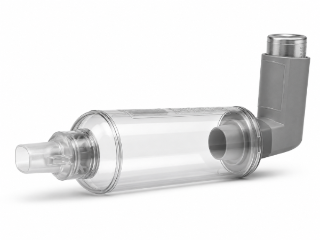
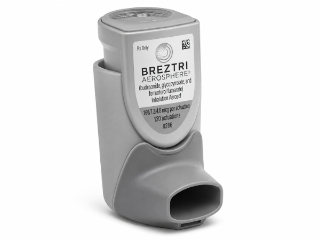
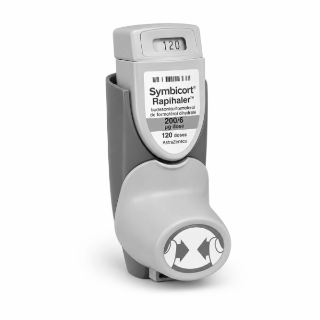
Inhalers fall into a few families: puffers (pressurised sprays, best used slowly and with a spacer), a soft-mist inhaler, and dry-powder inhalers (which you breathe in forcefully). The device matters as much as the medicine — using it correctly is often the difference between a treatment working and not. Tap your device for step-by-step instructions.
Read Getting Your Inhaler Technique Right first — the steps every inhaler shares, the slow-vs-fast breath, and the common mistakes — then find your device below.
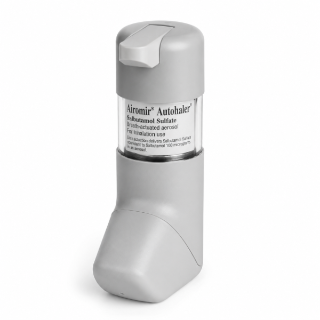
Puffers (pressurised metered-dose inhalers)
Press-and-breathe aerosols. A slow, gentle breath in — and a spacer — get the most medicine into your lungs.
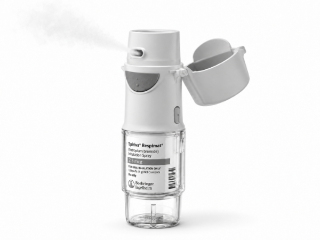
Soft Mist Inhaler
Releases a slow, fine mist that is easy to breathe in deeply.
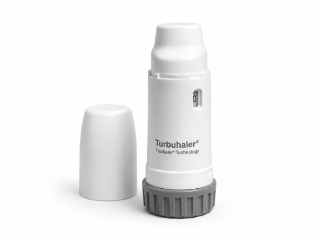
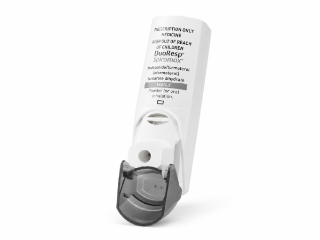
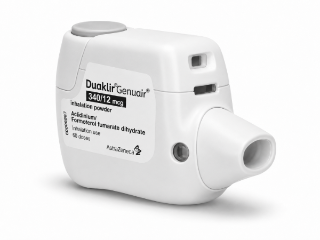
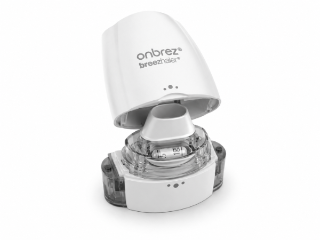
Dry-powder inhalers — reservoir
You draw the powder out yourself, so breathe in forcefully and deeply. Load a dose, then keep the device dry.
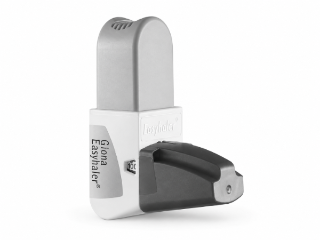
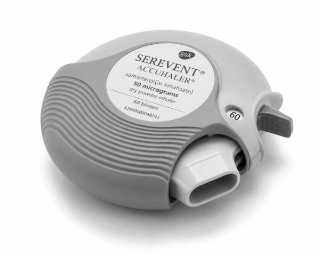
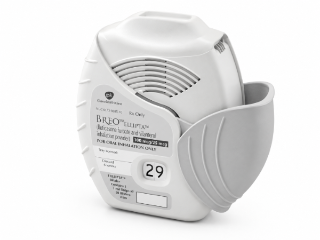
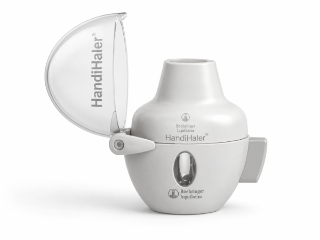
Dry-powder inhalers — blister
Doses are sealed in foil until you load them. One steady, deep breath in.
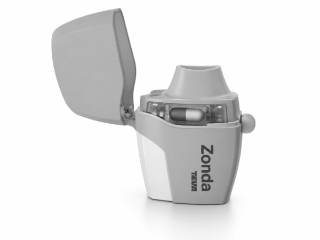
Dry-powder inhalers — capsule
You load and pierce one capsule at a time, then breathe in quickly enough to hear it rattle. Capsules are for inhaling only.
If you use nebulised medicines at home, see the Managing your condition at home section.
References & evidence base
Sources & further reading
- Australian Commission on Safety and Quality in Health Care. Inhaler technique — device-specific checklists. Sydney: ACSQHC, 2020.
- National Asthma Council Australia. Inhaler technique for people with asthma or COPD. Information paper for health professionals. Melbourne: National Asthma Council Australia, 2026.
- Sanchis J, Gich I, Pedersen S; ADMIT Group. Systematic review of errors in inhaler use: has patient technique improved over time? Chest 2016;150(2):394–406.
- Usmani OS, Lavorini F, Marshall J, et al. Critical inhaler errors in asthma and COPD: a systematic review of impact on health outcomes. Respir Res 2018;19(1):10.
These sources informed this page and were current at the time of writing. Always follow the leaflet for your specific device and your prescriber's instructions.
Everything starts with an assessment — your symptoms, breathing, exercise tolerance and daily function measured properly, so what follows is built on your lungs rather than an average.
Corrections: If something on this page is wrong, out of date or unclear, we want to know. Email reception@inspireclinic.au with the page name and what you believe is incorrect. Substantive corrections are made promptly, and the guide’s version and last-updated date are changed to reflect it.